
Eurasian Adventure
Photo and video gallery
Eurasian steppe
The largest temperate grassland in the world is the Eurasian steppe, extending from Hungary to China. It reaches almost one-fifth of the way around the Earth. The Eurasian steppe is so well-known, the area is sometimes referred to as just The Steppe.
The Eurasian steppe has historically been one of the most important routes for travel and trade. The flat expanse provides an ideal route between Asia and Europe. Caravans of horses, donkeys, and camels have traveled the Eurasian steppe for thousands of years. The most famous trade routeon the Eurasian steppe is the Silk Road, connecting China, India, and Europe. The Silk Road was established around 200 BCE, and many Silk Road trade routes are still in use today.
During the 13th century, Mongolian leader Genghis Khan conquered almost the entire Eurasian steppe. With expert horsemen, Gengis Khan conquered territory from his home in what is now Mongolia, through China, Central Asia, Russia and the land around the Caspian Sea.
The equestrian culture that was so important to Genghis Khan is still important for most cultures native to the Eurasian steppe. From the Mongolian tradition in the east to the Cossack traditions of western Russia, these cultures have relied on horses for travel, trade, and conquest on the vast steppe. To this day, many festivals and community activities focus on horseback riding.
 PHOTOGRAPH BY MADINASummer in steppe, Ryazan region, Russia |  PHOTOGRAPH BY MADINA IUNUSOVASommer rain in Russian steppe |
|---|---|
 PHOTOGRAPH BY MADINA IUNUSOVAPHOTOGRAPH BY MADINA IUNUSOVA Meadows of steppe |  PHOTOGRAPH BY MADINA IUNUSOVA |
 PHOTOGRAPH BY MADINA IUNUSOVA |  PHOTOGRAPH BY MADINA IUNUSOVA |
 PHOTOGRAPH BY MADINA IUNUSOVA |  PHOTOGRAPH BY MADINA IUNUSOVA |
 Horce racing at Sabantuy celebration | 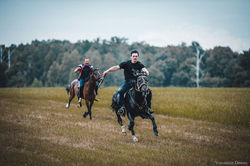 Horce racing at a Tatar village |
 Horce racing at a Tatar village |  Bastanovo horse racing |
 PHOTOGRAPH BY MADINA IUNUSOVA |  PHOTOGRAPH BY MADINA IUNUSOVA |
 PHOTOGRAPH BY MADINA IUNUSOVA |  PHOTOGRAPH BY MADINA IUNUSOVA |
 PHOTOGRAPH BY MADINA IUNUSOVA |  PHOTOGRAPH BY MADINA IUNUSOVA |
 PHOTOGRAPH BY MADINA IUNUSOVA | 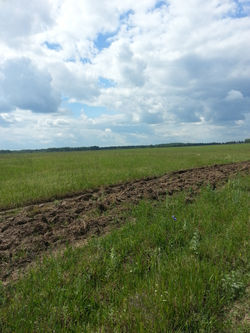 PHOTOGRAPH BY MADINA IUNUSOVA |
 PHOTOGRAPH BY MADINA IUNUSOVA |  PHOTOGRAPH BY MADINA IUNUSOVA |
 PHOTOGRAPH BY MADINA IUNUSOVA |  PHOTOGRAPH BY MADINA IUNUSOVA |
 PHOTOGRAPH BY MADINA IUNUSOVA |  PHOTOGRAPH BY MADINA IUNUSOVA |
 PHOTOGRAPH BY MADINA IUNUSOVA |  PHOTOGRAPH BY MADINA IUNUSOVA |
 20150924_103350.jpg |  PHOTOGRAPH BY MADINA IUNUSOVA |
 PHOTOGRAPH BY MADINA IUNUSOVA |  PHOTOGRAPH BY MADINA IUNUSOVA |
 PHOTOGRAPH BY MADINA IUNUSOVA |  PHOTOGRAPH BY MADINA IUNUSOVA |
 PHOTOGRAPH BY MADINA IUNUSOVA |  PHOTOGRAPH BY MADINA IUNUSOVA |
 PHOTOGRAPH BY MADINA IUNUSOVA |  PHOTOGRAPH BY MADINA IUNUSOVA |
 PHOTOGRAPH BY MADINA IUNUSOVA | 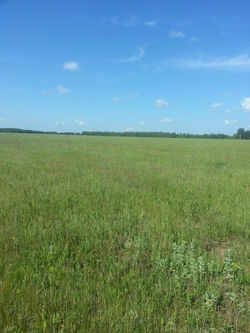 PHOTOGRAPH BY MADINA IUNUSOVA |
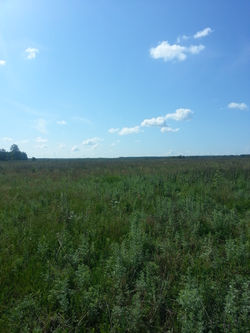
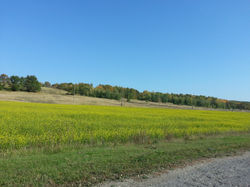 PHOTOGRAPH BY MADINAAutumn in steppe, Ryazan region, Russia |  20150924_084007.jpg |
|---|---|
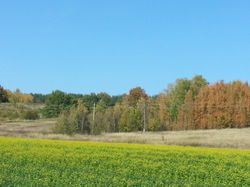 Autumn in steppe |  20150924_084146.jpg |
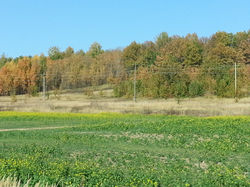 20150924_084153.jpg | 20150924_103350.jpg |
 20150924_083328.jpg |  20150924_083323 (2).jpg |
 20150924_082815.jpg |  20150924_081301.jpg |
 20150924_081025.jpg |  20150924_081019.jpg |
 20150924_081013.jpg | 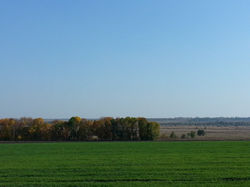 20150924_080208.jpg |
 20150924_064031.jpg | 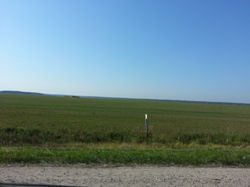 20150924_063250.jpg |
Horses of steppe
Оne of the most important inhabitants of the Eurasian steppe are horses. Since ancient times they were and still remain faithful friends of people, helping us to move over the vast expanses of the steppes. Despite their diminutive size, today's Mongol horses are the same breed ridden by Genghis Khan's conquering warriors. You can learn more about current events related to the World's Toughest Horse Race Retraces Genghis Khan's Postal Route due to National Geographic Society.
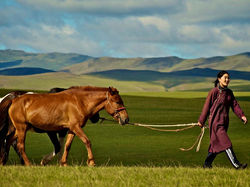 PHOTOGRAPH BY QUENTIN MOREAUWhen not racing, the horses are cared for by the local herding families who staff much of the Mongol Derby course. The horses are also monitored by a team of veterinarians during the event. |  PHOTOGRAPH BY CHARLES VAN WYKCompetitors gallop toward the finish of 2010's Mongol Derby. Fewer than half of the riders in this year’s race are expected to make it across the finish line. |
|---|---|
 PHOTOGRAPH BY ANYA CAMPBELLDerby riders stop to water their horses as a storm rolls in. The competitors are completely exposed to the elements for the duration of the Derby and over 10 days will likely face extremes of temperature, storms, high winds, and blistering sun. |  PHOTOGRAPH BY CHARLES VAN WYKFresh horses await their incoming riders at one of the horse relay stations, which are spaced at roughly 25-mile (40 kilometer) intervals. When stopping to change horses, riders can also rest and eat. |
 PHOTOGRAPH BY ANYA CAMPBELLCompetitors ride Mongol horses, one of the species’ smallest but hardiest breeds. Mongolian warriors rode these horses to conquer a kingdom stretching from Beijing to Moscow to Baghdad. |  PHOTOGRAPH BY ANYA CAMPBELLMongolia is home to one of the world's oldest equestrian cultures. Stallions, like this palomino, are especially revered, and their manes are never cut. |
 PHOTOGRAPH BY CHARLES VAN WYKCraig Egberink of South Africa walks a horse into a station during the 2011 Derby. A rider is penalized if he or she pushes a horse too hard and its heart rate is too fast at the end of a 25-mile leg. |  PHOTOGRAPH BY RICHARD DUNWOODYThe U.K.'s Lara Prior-Palmer rides the last leg of the Mongol Derby on August 10, 2013; she ultimately won the race, finishing in seven days. |
Eurasian steppe in Mongolia by Yann Arthus-Bertrand
Birch tree as a symbol of Russia
A symbol of Russian nature and Russian beauty, the birch tree berezka in Russian (beryozka) has a very special place in the country’s culture. The tree was once worshipped as a goddess by Slavs. It was believed to ward off evil spirits and make wishes come true. Tributes to the birch are found in Russian art, songs, poems and folk tales. Ancient Slavs used its bark to make everything from writing paper to footwear, and birch bark crafts are one of Russia’s biggest traditions.
For centuries, berezka has been famed for its healing qualities. Just strolling in a birch grove is thought to help you stay happy and healthy, and touching a birch tree is believed to restore emotional balance and reduce stress levels.
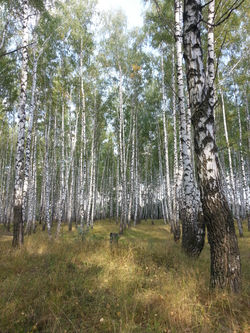
 PHOTOGRAPH BY MADINABirchwood, Tula region, Russia |  |
|---|---|
 |  |
 |  |
 |  е6.jpg |
 |  |
 |  |
 | е4.jpg |
 |  |